
Posts

Looking Beyond the Headlines: Why Australia Needs a Collective Focus on Long-Term Unemployment

Looking Beyond the Headlines: Why Australia Needs a Collective Focus on Long-Term Unemployment

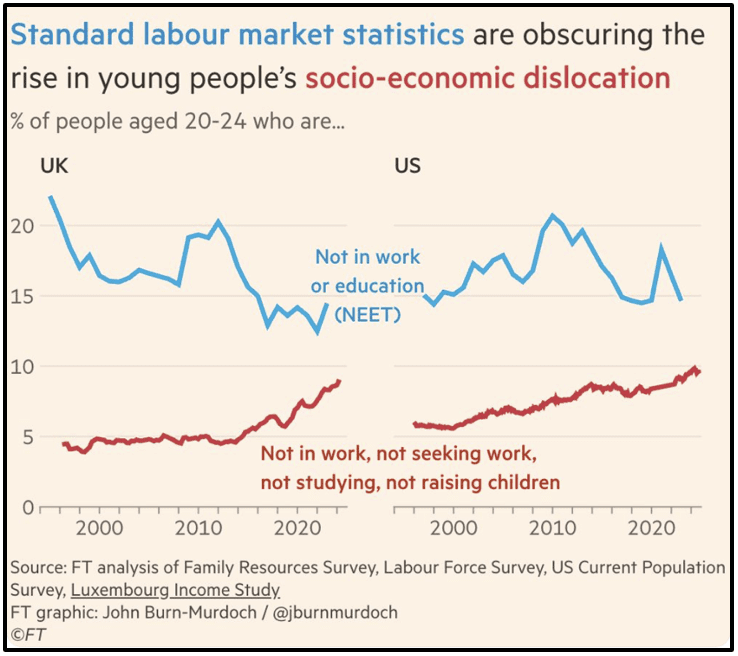
John Burn-Murdoch’s recent Financial Times analysis (shared on Bluesky last week) highlights an increasingly hidden challenge: while headline rates for people who are not in education or employment (NEET) are stable or improving in the UK and US, the subgroup of young adults who are not working, not studying, not seeking work, and not parenting has doubled in a decade in both countries. This group of young people are experiencing deep social and economic disengagement.

Australia is not immune to similar pressures and they extend beyond young people to all age groups.

Anglicare Australia’s Jobs Availability Snapshot 2025 provides a sobering picture. Although it has not attracted the public debate it deserves, its findings raise profound questions for those shaping education, skills, employment and social policy.

National unemployment figures hide deeper labour-market problems

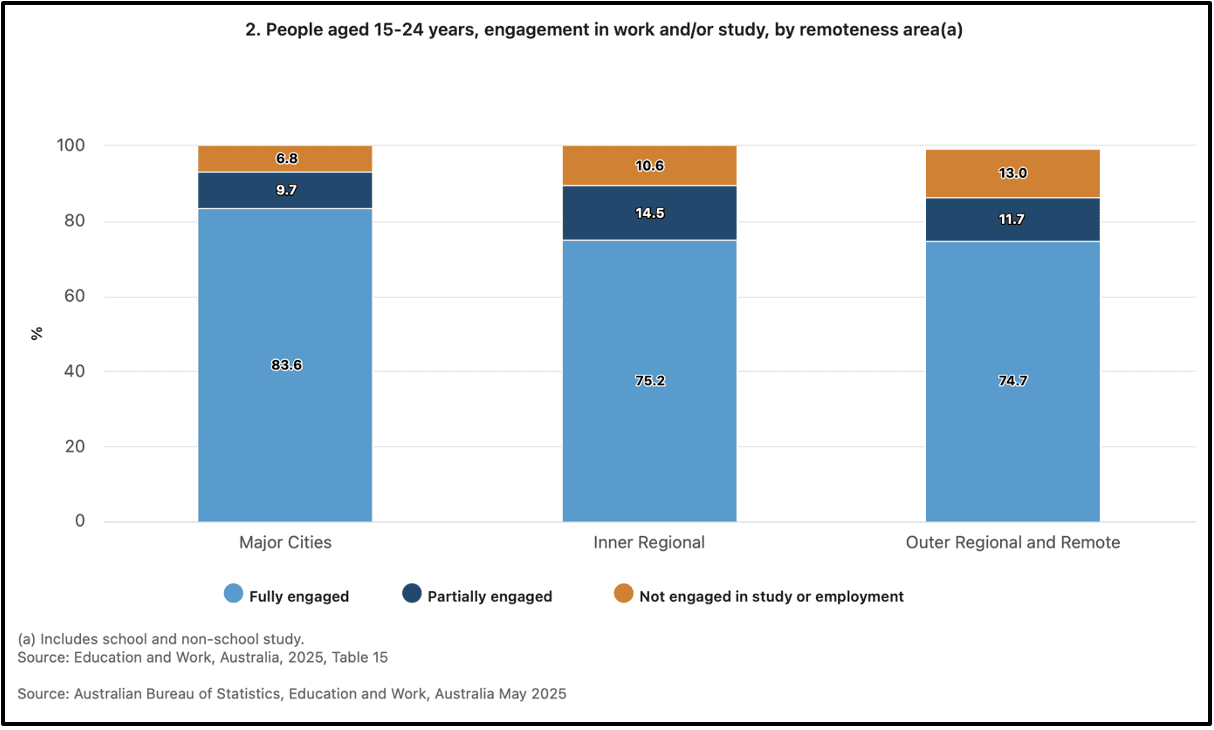
ABS Education and Work, Australia 2025 data shows strong formal engagement among 15–24-year-olds:

  • 82% are fully engaged in work and/or study.
  • A further 11% are partially engaged.

While engagement levels vary by region, the overall picture looks positive:

However, Anglicare’s analysis deliberately goes beyond the headline data, to examine how accessible the labour market really is for people who are outside work and education.

Entry-level jobs are scarce and competition is severe

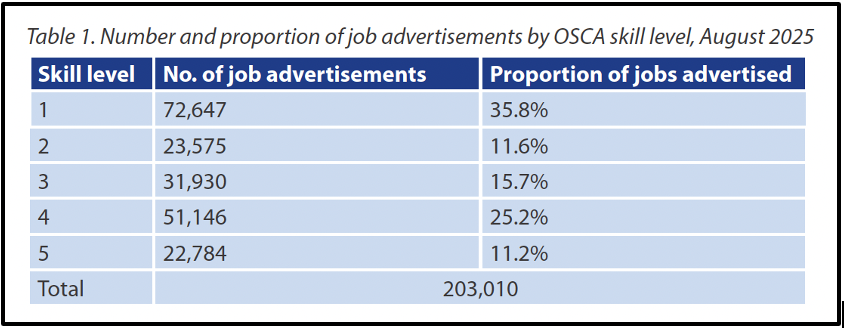
The report starts by analysing the skill levels of the 203,010 jobs advertised on the Internet Vacancy Index (IVI) in August 2025 (ie how many jobs were advertised online that month):

It then goes on to focus on the 11% of jobs available at Skill Level 5[1] (those requiring secondary education or a Certificate I qualification), and how many people are currently long-term unemployed and seeking work in these entry-level roles.

As Anglicare notes:

“These entry-level roles play an important role in the overall functioning of Australia’s labour market. They provide opportunities for people to gain work experience and develop foundational, transferable skills that can be applied across different sectors and industries, increasing their long-term employability.”

The issue is the number of people who are currently receiving JobSeeker payments (ie are unemployed). In August 2025, there were 887,795 people receiving JobSeeker payments and 64.9 percent of them had been on the payment for more than one year, and this figure was 2.8 percentage points higher than in 2024 (62.1%).

In summary – only 11% of internet job vacancies were Skill Level 5 roles (the entry-level jobs most suited to people with limited recent experience or qualifications), and at the same time:

  • 887,795 Australians were receiving JobSeeker.
  • 65% (576,570 people) had been on the payment for more than a year, and
  • long-term unemployment is still rising.

When comparing the number of long-term unemployed people to the number of Skill Level 5 vacancies, Anglicare estimates that 25 long-term unemployed people compete for every available entry-level job.

And of course, it is not only long-term unemployed people applying for these entry level jobs – people who have been on JobSeeker for less than 12 months, and people who are working in other roles will also apply for these vacant positions, and as Anglicare notes – these Skill Level 5 jobs are also attractive to “students, young people, and people seeking second jobs.”

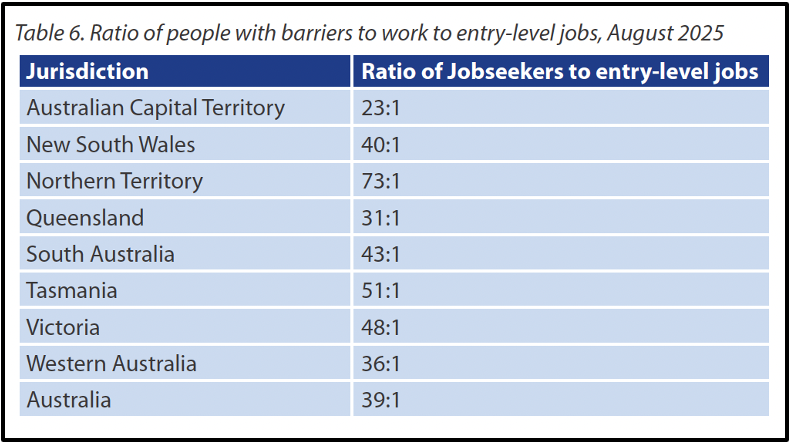
There are also differences in the number of entry-level jobs and the long-term unemployed across states and territories:

Anglicare reminds us that:

“Rising living costs are also driving more people to take on multiple jobs. In June 2025, 6.4 percent of employed Australians held more than one job, up from 5.7 percent a decade earlier. Many of these additional roles are casual or part-time, which further limits opportunities for those who are unemployed.


Moreover, most entry-level positions are insecure and low-paid. Around one in four casual workers would prefer a permanent job, but only about one in fifteen succeed in securing one. This means that even when people with barriers to work find employment, they often cannot earn enough to exit the welfare system.”


This is a devastating piece of analysis, especially in an era of growing AI and automation, which will likely see more of these entry levels roles partially or fully replaced.

Australia has more than half a million people with barriers to work and less than 25,000 entry level jobs available to them.

Obviously a number of people who are long-term unemployed have tertiary qualifications and are likely to be looking for higher skilled level roles, but even if we look at all of the current internet job vacancies – Australia has more than two long-term unemployed people chasing every available online job vacancy.

Lots for policymakers and the tertiary education sector to reflect on…

——————————

[1] Skill Level 1 = jobs requiring a Bachelor’s degree or higher; Skill Level 2 = Advanced Diploma or Diploma; Skill Level 3 = Certificate IV or III* (the Certificate III must include a minimum of two years on-the job-training), and Skill Level 4 = Certificate II or III.

Higher education 2024: which students enrolled where?

Higher education 2024: which students enrolled where?

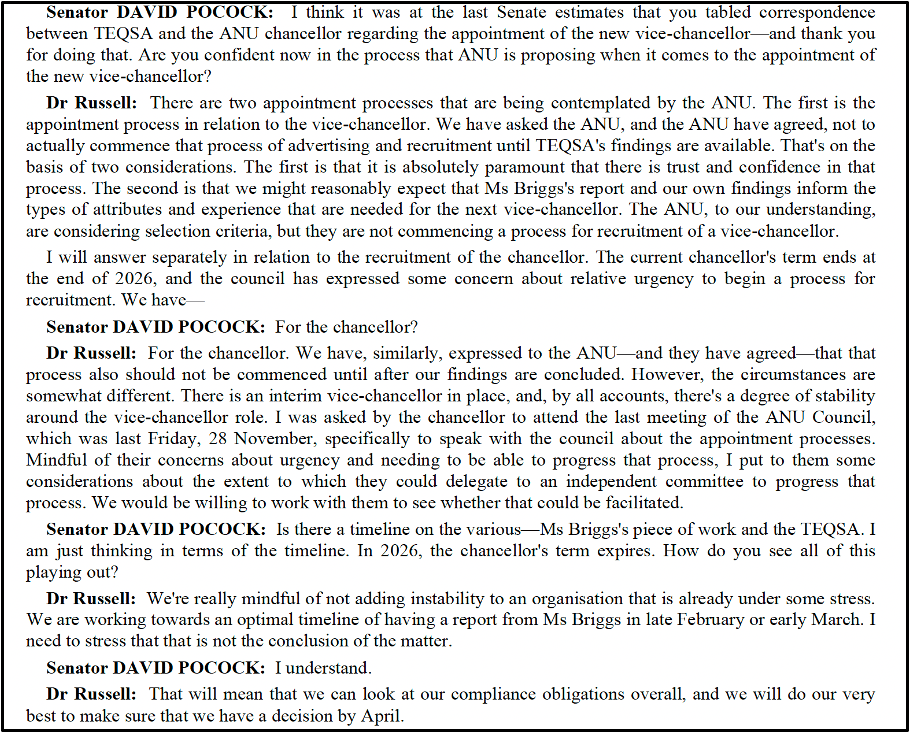
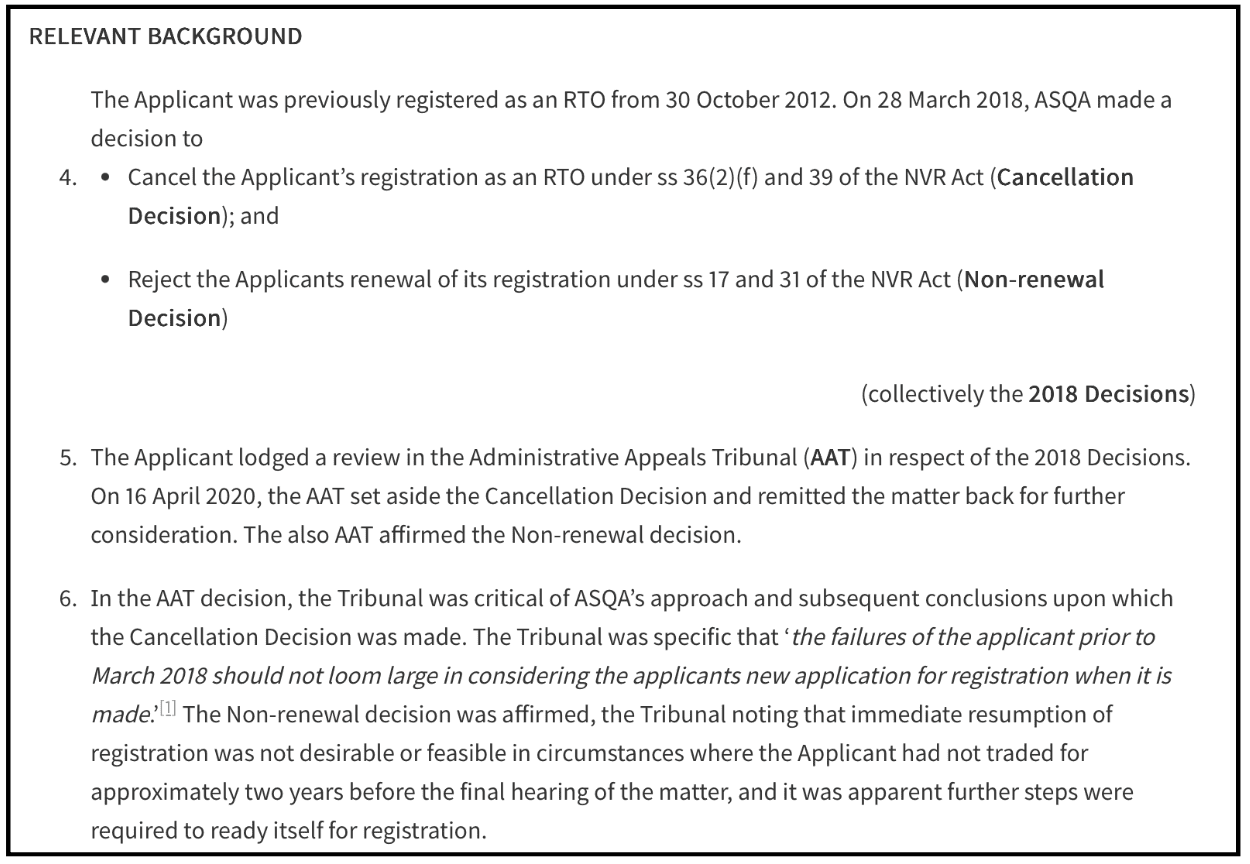
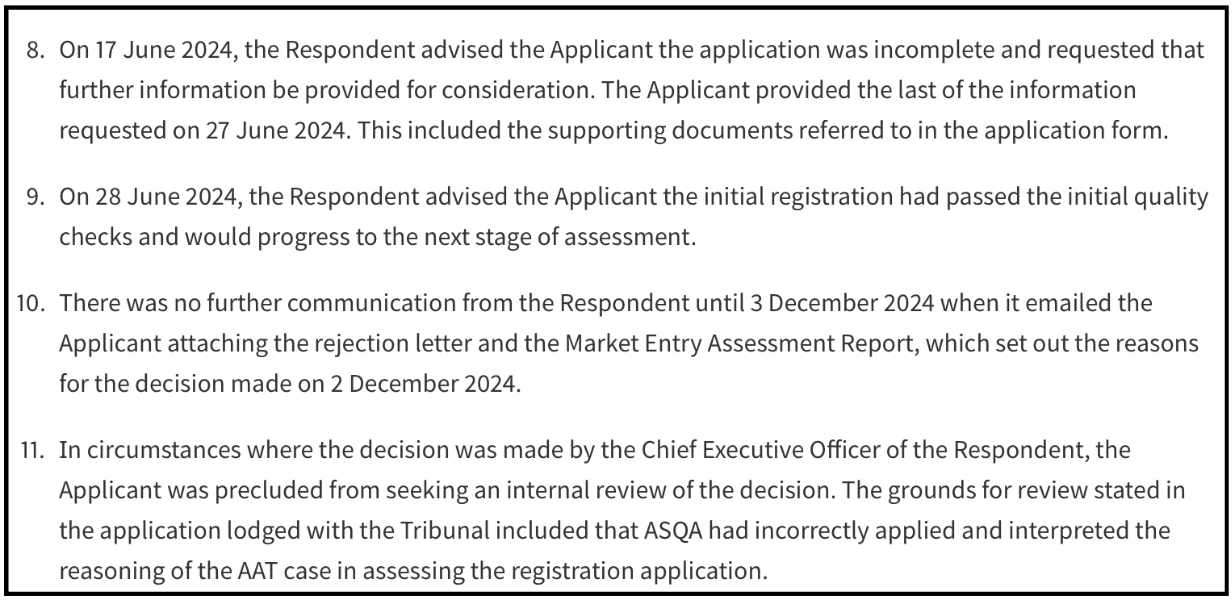
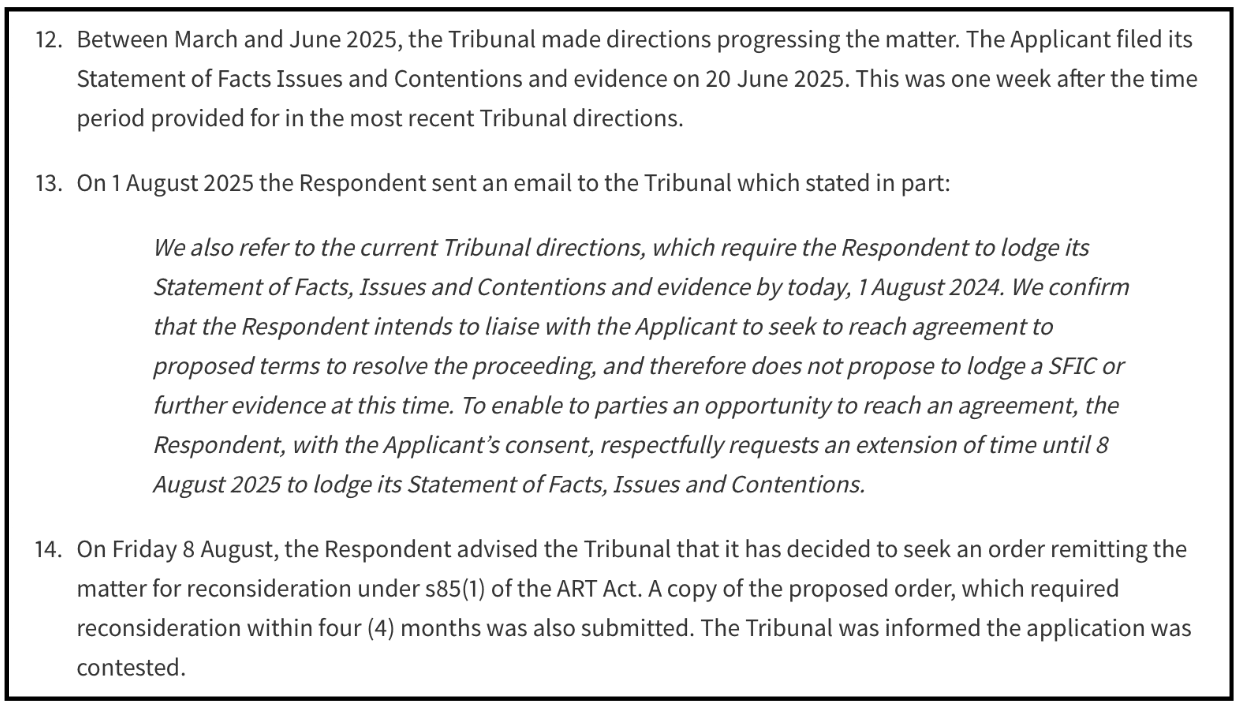
In the last fortnight we have seen the release of the full student datasets for higher education and VET.

In two updates I have looked at a key cohort in each sector.

In the higher education sector I have chosen to focus on domestic commencing students – as the government prepares to make changes to attract more new students into higher education following the recommendations of the Universities Accord panel.

In a related report on the VET sector, although there are a lot of VET enrolments in single subject courses (eg first aid) and this is legitimate and important VET delivery, I have chosen to focus my analysis on VET program enrolments (ie enrolments in full qualifications and skillsets) as it allows for more useful comparisons across key provider types, training packages and jurisdictions.

Higher education

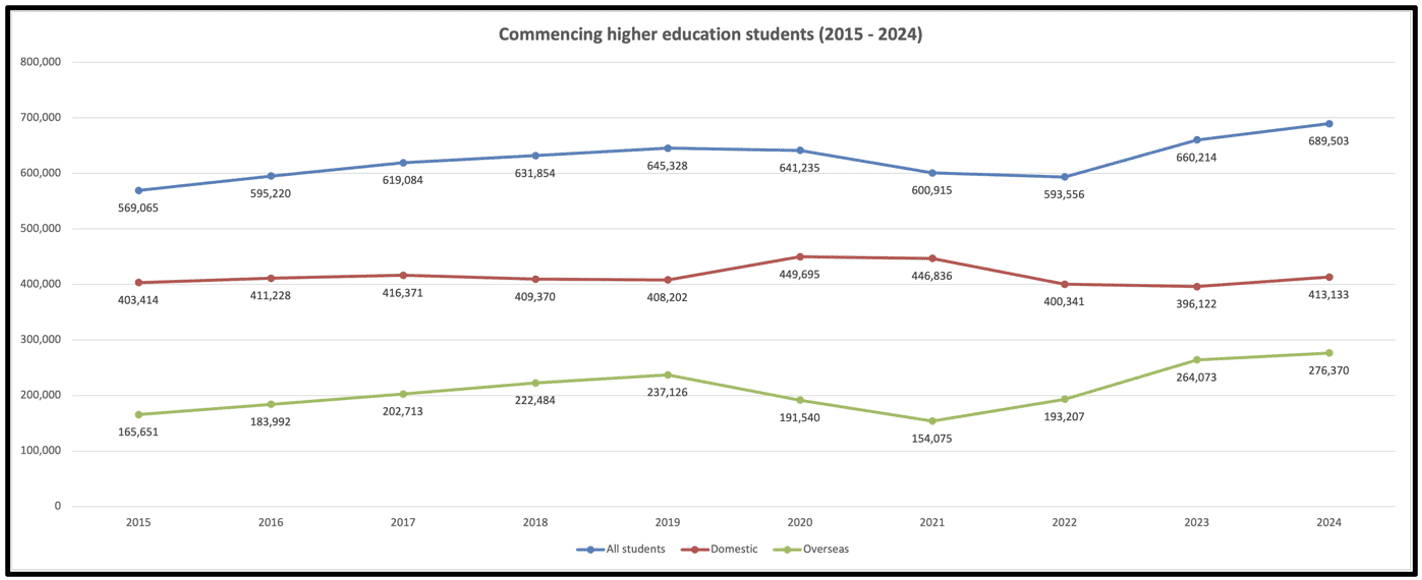
Turning here to higher education and looked at over the past decade – there has been minimal growth in domestic commencing students in Australian higher education (2%), growth in commencing international students has been significant – up two-thirds in 2024 on 2015 figures (67%) meaning there has been an overall increase in commencing students since 2015 of 21%.

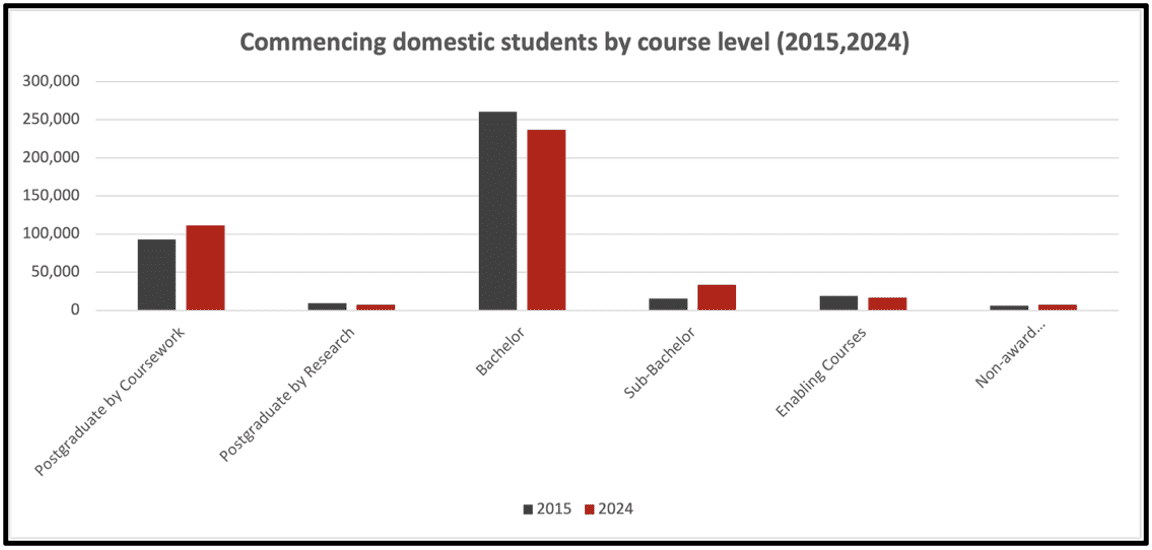
Most of the growth has been in postgraduate coursework programs (which have proven increasingly attractive to international students) and sub-bachelor programs (ie diplomas, advanced diplomas and associate degrees).

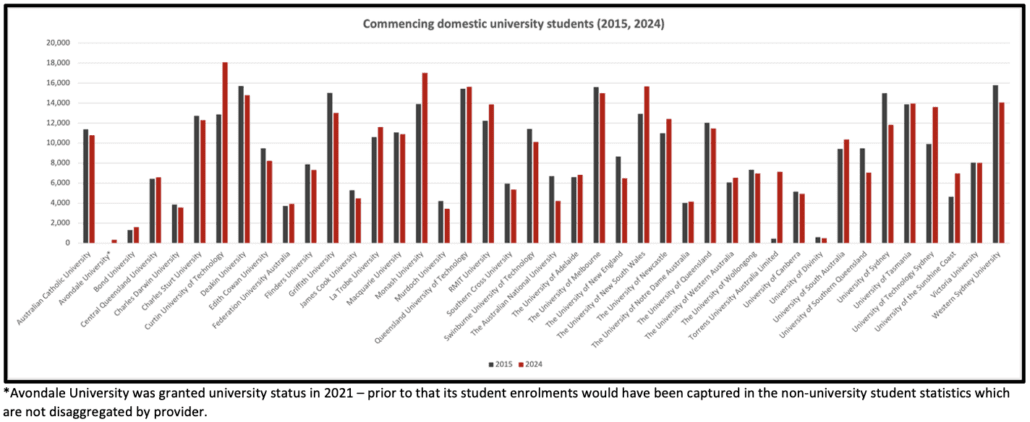
Looking at commencing students at each university between 2015 and 2024 shows some interesting patterns of growth and decline:


The universities with the highest levels of growth in commencing domestic students in the last decade are:

  • Torrens University Australia (noting that the university only commenced operations in 2014) 1,450%
  • University of the Sunshine Coast 50%
  • Curtin University 40%
  • UTS 37%
  • Monash University 22%
  • Bond University 22%
  • UNSW 21%
  • RMIT 13%
  • University of Newcastle 13%
  • University of South Australia 10%

The universities experiencing the highest levels of growth are predominantly based in the inner cities. Some of the University of Newcastle’s growth in commencing students is likely due to the success of their longstanding ‘Open Foundation’ enabling program, while the Sunshine Coast is a regional area experiencing high population growth which is likely a key contributor to the growth in commencing students at the University of the Sunshine Coast. Nevertheless better understanding the growth drivers at these two regional universities over the past decade will be of interest to other regional universities and presumably ATEC.

The universities which experienced the largest declines in commencing domestic students in the last decade were:

  • ANU -37%
  • USQ -26%
  • UNE -25%
  • University of Sydney -21%
  • Murdoch University -18%
  • University of Divinity -16%
  • JCU -15%
  • Griffith University -13%
  • ECU -13%
  • Swinburne University -11%
  • WSU -11%
  • Southern Cross University -10%

Most but not all of these universities experiencing declines are based in outer-metropolitan and regional areas. Interestingly two of the Group of Eight universities, the Australian National University and the University of Sydney, had large significant declines in their domestic enrolments over the last decade. The decline in enrolments at the ANU is in part due to its ‘on campus’ postgraduate offerings which no longer reflect the desire of many postgraduates to study online or in a blended mode, as I have written about previously. The University of Sydney’s decline is less readily explicable but with UNSW and UTS on the same bus route as the University of Sydney – it may be that the drivers attracting more commencing domestic students to UTS and UNSW have had a negative impact on student demand for the University of Sydney.
Changing modes of study

In 2015 the following nine universities had fewer than half of their commencing domestic students studying on campus ie most of their commencing domestic students were already studying online or ‘multi-modal’ (ie blended learning):

  • The University of New England 9% of commencing domestic students studying on campus
  • Charles Darwin University 13%
  • Central Queensland University 13%
  • Charles Sturt University 16%
  • University of Southern Queensland 18%
  • University of Tasmania 32%
  • Southern Cross University 32%
  • Swinburne University of Technology 36%
  • La Trobe University 40%

By 2024 the shift away from predominantly on-campus study for domestic students was well underway as more universities offered more of their courses fully online or multi-modal, including:

  • La Trobe University 0% (ie no commencing domestic students were fully on-campus – most, 70%, were ‘multi-modal’)
  • The University of New England 4% on campus
  • Torrens University Australia 5%
  • University of Southern Queensland 6%
  • Central Queensland University 7%
  • University of Divinity 8%
  • Charles Darwin University 10%
  • University of South Australia 11%
  • Griffith University 11%
  • University of Tasmania 15%
  • Monash University 17%
  • Charles Sturt University 18%
  • Southern Cross University 22%
  • Deakin University 31%
  • James Cook University 33%
  • Swinburne University of Technology 36%
  • University of Canberra 40%
  • Edith Cowan University 40%
  • Victoria University 44%
  • Curtin University 44%
  • Flinders University 45%
  • Murdoch University 45%

Commencing domestic students at non-university higher education institutions[1]

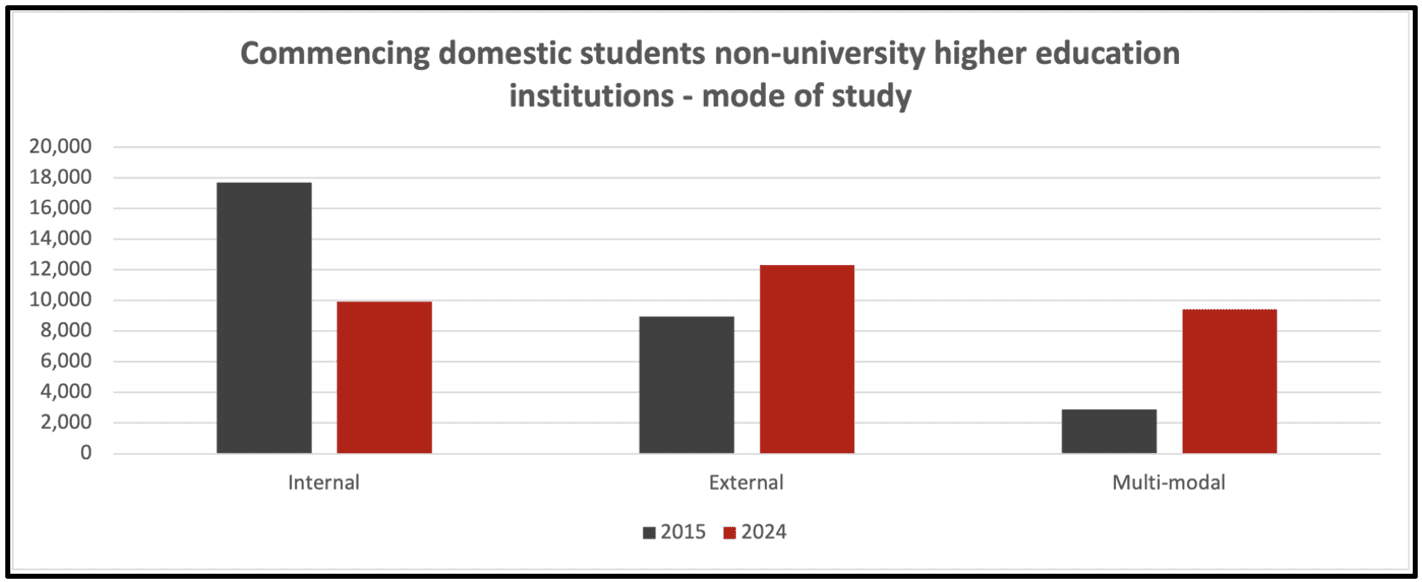
In 2024, almost one in every ten (8%) domestic higher education commencing students (31,677) chose not to study at a university.[2] This was up 7% on the 29,599 domestic students choosing a non-university higher education institution in 2015.

The shift that non-university higher education institutions have made to offering more ‘external’ (ie online only) and multi-modal modes of study to their commencing domestic students over the last decade, as well as their abilities to grow their domestic student enrolments without public funding should be of interest to the publicly-funded university sector and to ATEC.

And with two-thirds (21,274) of all domestic commencing students in non-university higher education institutions studying with New South Wales based providers, sector leaders wanting to understand the growth in this part of the sector should be heading to Sydney to have those conversations.

Summary

Over the past decade, domestic commencing enrolments in Australian higher education have seen minimal growth (2%), while international commencements grew strongly by 67% compared with 2015, resulting in a 21% increase overall. Much of this expansion has been concentrated in postgraduate coursework and sub-bachelor programs.

Provider-level analysis highlights stark contrasts: inner-city universities such as UTS, UNSW, Monash, and RMIT expanded, while regional and outer-metropolitan universities such as USQ, UNE, Murdoch and JCU experienced significant declines. Interestingly, even Group of Eight members ANU (-37%) and the University of Sydney (-21%) recorded sizeable declines in their commencing domestic students, underscoring shifts in student demand, including preferences for blended or online postgraduate study.

The data also highlights the ongoing shift away from on-campus study. By 2024, universities such as La Trobe and UNE had fewer than 5% of their commencing domestic students studying fully on campus, reflecting broader growth in multi-modal and online provision.

Non-university higher education institutions have steadily grown their domestic market share, now enrolling nearly one in ten commencing domestic students (8%), without access to public funding. Concentrated particularly in New South Wales, these institutions’ ability to expand through online and blended delivery offers a competitive alternative to traditional universities, and their growth patterns deserve to be better understood by the sector and policymakers.

——————————

[1] Non-university higher education institutions include both university colleges and institutes of higher education

[2] When domestic students choosing to commence study at the four Table B ‘ie non-publicly funded’ universities (Avondale, Bond, Torrens, and University of Divinity) are included the total choosing alternatives to publicly-funded (Table A) universities is 41,237 of the 413,133 commencing domestic students ie 10%.

Disclosure – Claire is a PhD student at Torrens University Australia writing the history of the university’s first decade of operation.

VET’s real integrity risk

Is VET poised to make a comeback?

Problems with the pilot of the Revised Standards for RTOs

The Productivity Commission takes a look at VET